
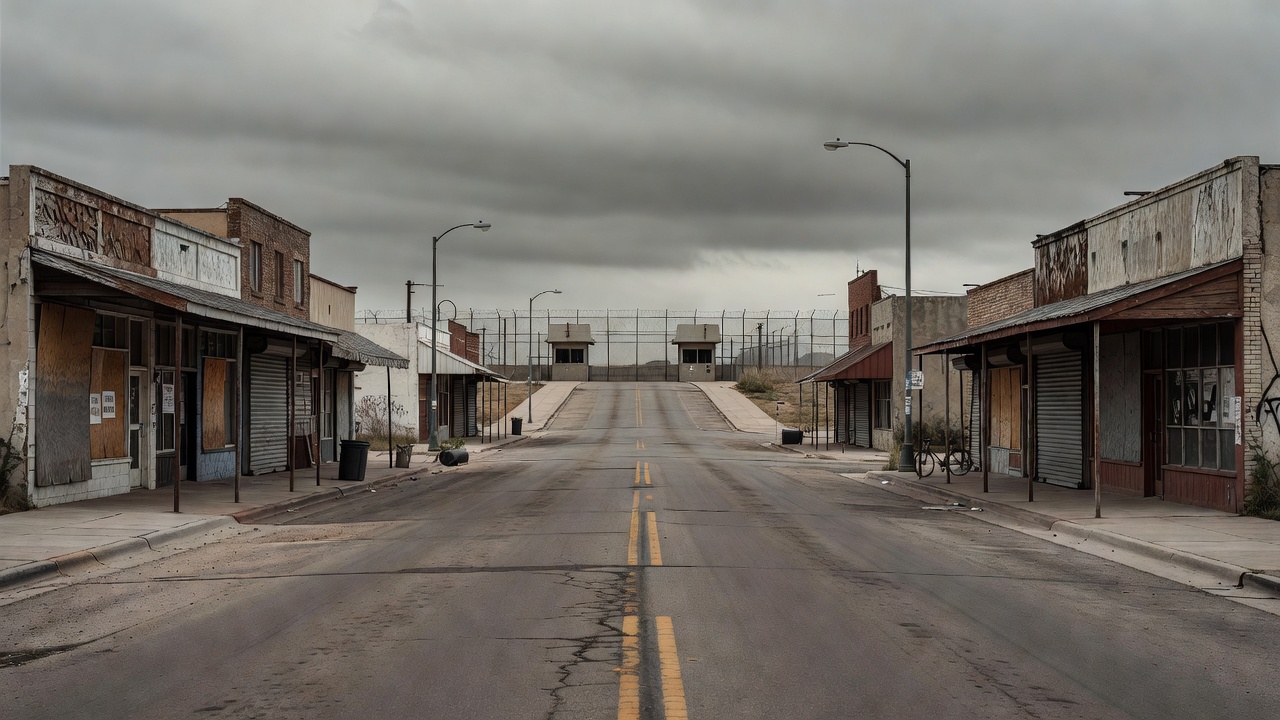
The ongoing US-Canada tariff dispute under Trump is crippling a small border town, where residents suffer economic losses but lack political influence to seek relief or representation in trade talks.
In the heart of the US-Canada border, a small community once bustling with trade is now facing hardship due to ongoing tariffs imposed during the Trump era. Local businesses dependent on cross-border commerce have seen revenues plummet as costs rise and customers dwindle. Many residents, including truck drivers and retailers, are struggling to make ends meet, yet their situation receives little attention from policymakers focused on the bigger picture of international relations.
The lack of political representation compounds their woes. This border town lacks influential advocates in national politics, making it difficult to secure support or exemptions from the tariffs. Community members have organized petitions and town halls, but responses from elected officials are minimal. Without a seat at the table in trade discussions, their voices are drowned out by larger economic interests, leaving them vulnerable to the prolonged effects of the trade dispute.
Experts suggest that resolving these issues requires inclusive dialogue that accounts for border communities' unique challenges. As the tariff war drags on, the human cost becomes increasingly apparent, with potential long-term consequences for regional stability and economic recovery. Residents hope for a swift end to the conflict to restore their livelihoods and reconnect with their neighbors across the border.
 84.998 SRY