
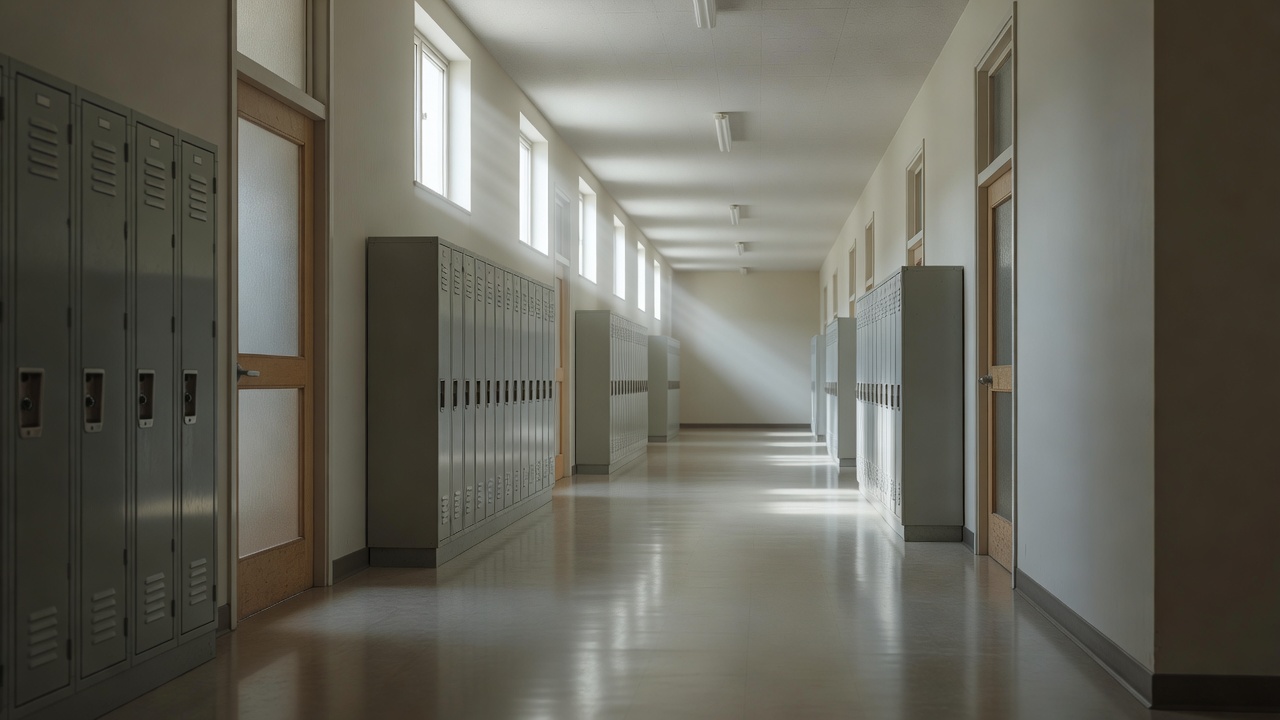
In several states, private schools receive full tuition vouchers for every student yet operate with minimal public oversight. This quasi-public model raises serious questions about how taxpayer money is spent and whether students receive quality education.
Across multiple states, some private schools have shifted to a model where government tuition vouchers cover 100 percent of student costs. These institutions function much like public schools in terms of funding but retain their private status. As a result, they avoid many rules that govern traditional public education, including requirements for financial reporting and academic testing. Because the schools stay classified as private, state education departments conduct little review of how voucher funds are used. There is often no demand for detailed budgets, teacher qualifications, or student performance data. This lack of transparency makes it difficult for families and officials to judge whether public dollars produce real learning gains or simply support the schools' operations. Education watchdogs and lawmakers are now pushing for stronger rules. They want these quasi-public schools to follow the same accountability standards applied to public institutions. Without reforms, critics warn, millions in taxpayer money could continue flowing to schools that face almost no checks on spending or results.
 727.457 SRY