
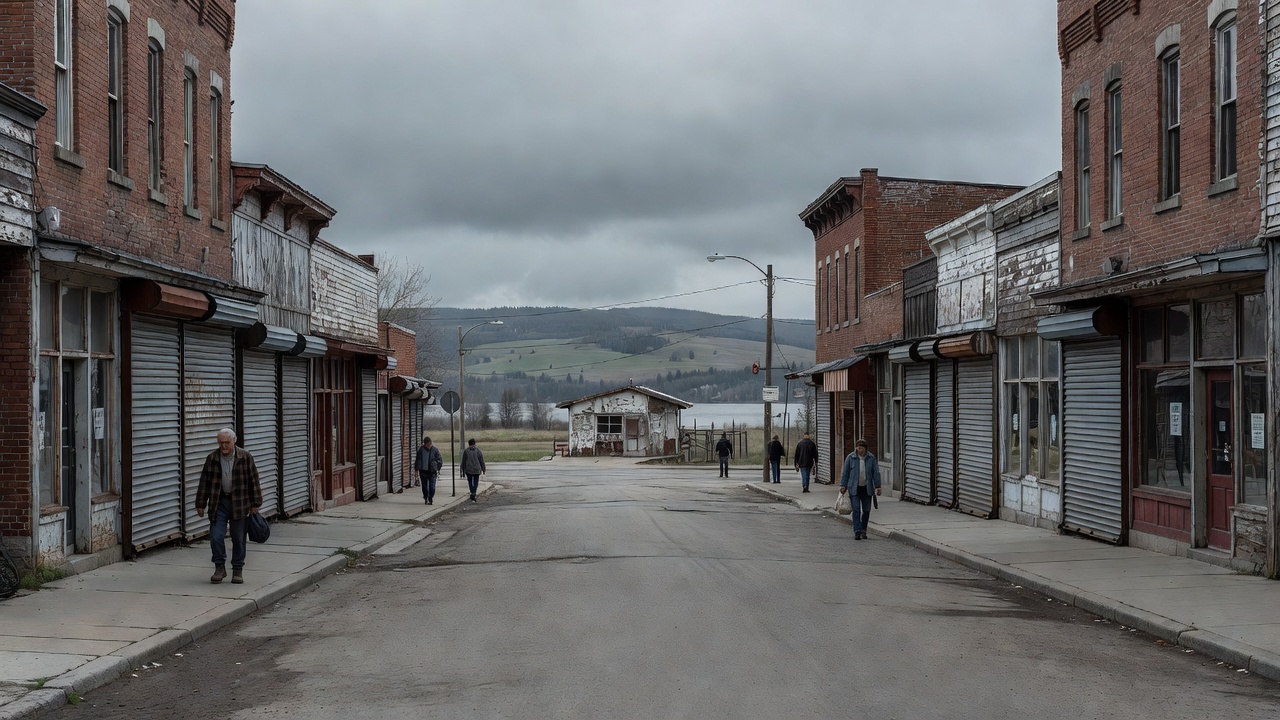
As US-Canada tariff tensions continue under Trump, a small border community endures economic pain without political representation or a platform to voice its struggles. Local businesses suffer amid the prolonged trade dispute.
Residents in a remote US-Canada border town are feeling the harsh effects of ongoing tariffs that have disrupted cross-border commerce for months. Shops that relied on Canadian customers now stand half-empty, while farmers and small manufacturers struggle with higher costs for imported goods and materials. The lack of attention from lawmakers has left many wondering how long they can hold on.
Without a strong voice in Congress or local advocacy groups, the community has been overlooked in national discussions about the trade war. Families face job losses and reduced incomes, forcing difficult choices like cutting back on essentials or considering relocation. This isolation amplifies the sense of frustration as daily life grows harder with each passing week of stalled negotiations.
The situation underscores the uneven impact of international policies on vulnerable areas far from political centers. Economists warn that prolonged tariffs could lead to permanent closures and population decline, yet solutions remain elusive. Advocates call for targeted relief to help these border residents weather the storm until trade relations improve.

 89.761 SRY