
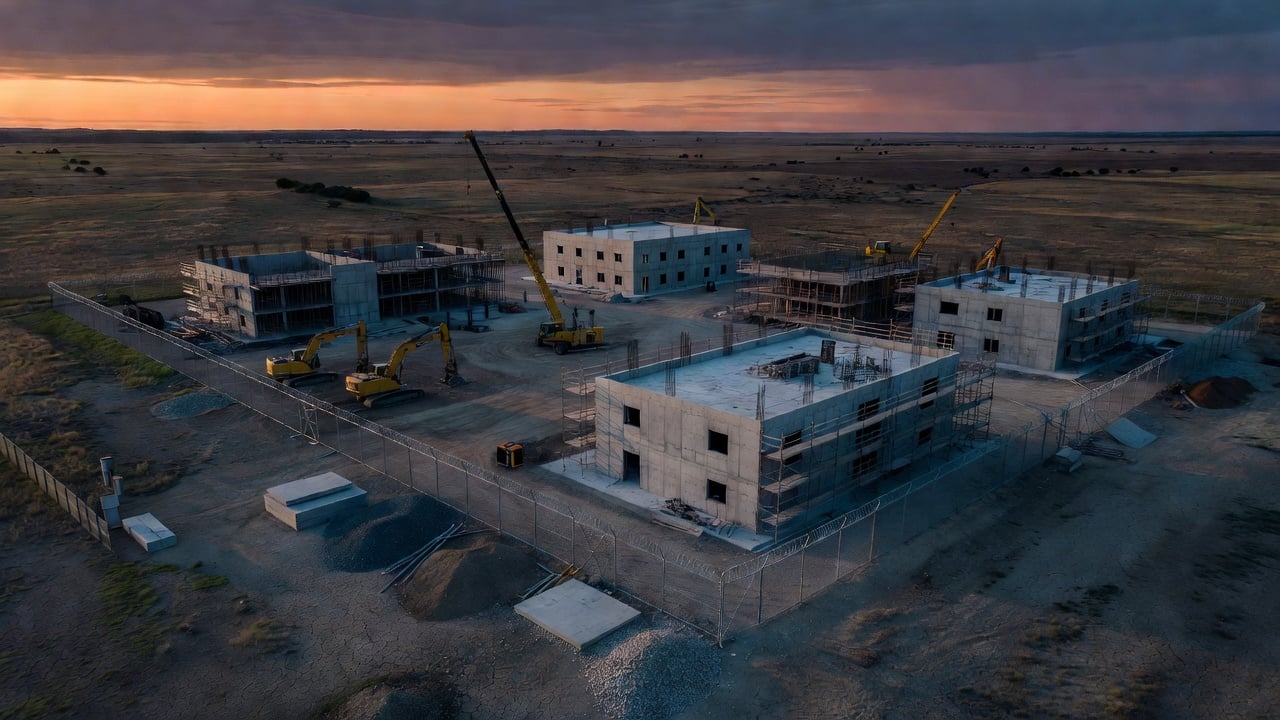
While many U.S. states close youth prisons and favor rehabilitation programs, one state is building new facilities instead. This approach raises questions about juvenile justice and the impact on young offenders across the country.
Across the country, a growing number of states are closing youth prisons. They believe that locking up young offenders does more harm than good. Instead, these states are turning to alternative programs that help teens get back on track through education and counseling. Research supports this shift, showing lower rates of reoffending when youth stay in their communities.
Yet, one state is going against the grain by planning to build additional youth prisons. State leaders claim these new buildings will offer improved conditions and more space for rehabilitation services. However, opponents worry that expanding incarceration will waste resources and fail to address the root causes of youth crime, such as poverty and lack of family support. They point to evidence from other states that have successfully reduced prison populations.
This contrast highlights ongoing debates in juvenile justice. Experts suggest that the state should study what works in places where prisons have closed. Investing in prevention and community programs might yield better results for everyone involved. As the new facilities take shape, young lives hang in the balance, prompting calls for greater transparency and involvement from families and advocates in shaping future policies.

 65.540 SRY