
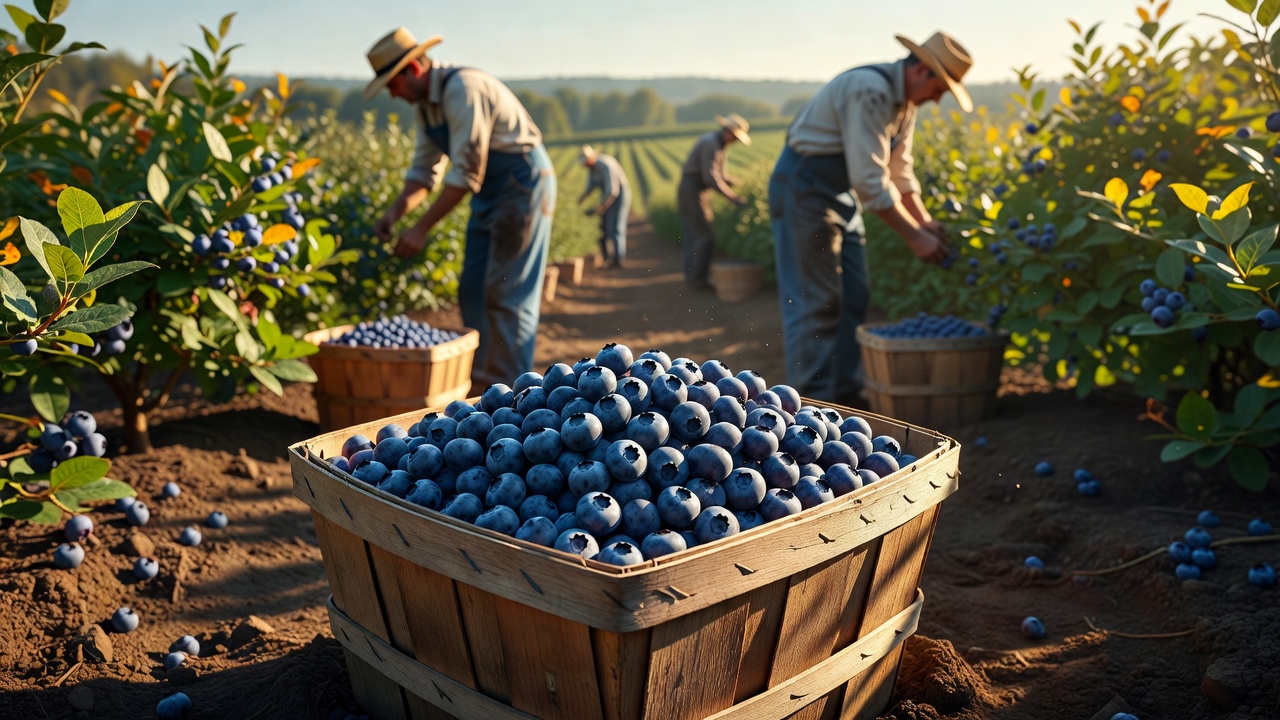
A reporter launches a difficult investigation into whether common blueberries come from farms where workers face harm. The effort reveals major gaps in supply chain transparency for everyday produce and raises questions for consumers seeking ethical options.
A ProPublica journalist set out to trace blueberries from store shelves back to their farms. The goal was simple yet elusive: find out if workers on those farms had suffered injuries, wage theft, or other abuses. What followed was a maze of incomplete records, uncooperative suppliers, and vague corporate answers that left more questions than answers.
Supply chains for fresh fruit like blueberries are often long and opaque. Farms may sell to packers, who sell to distributors, who then supply grocery stores. Each step adds layers of separation, making it nearly impossible for outsiders to verify labor conditions. The reporter contacted multiple companies and visited several growing regions, only to hit repeated dead ends and limited cooperation.
The experience underscores broader problems in the produce industry. Without stronger traceability rules, shoppers have little way to avoid products tied to worker harm. The quest shows how even basic questions about ethical sourcing can prove maddeningly hard to answer in today’s global food system.

 938.361 SRY