
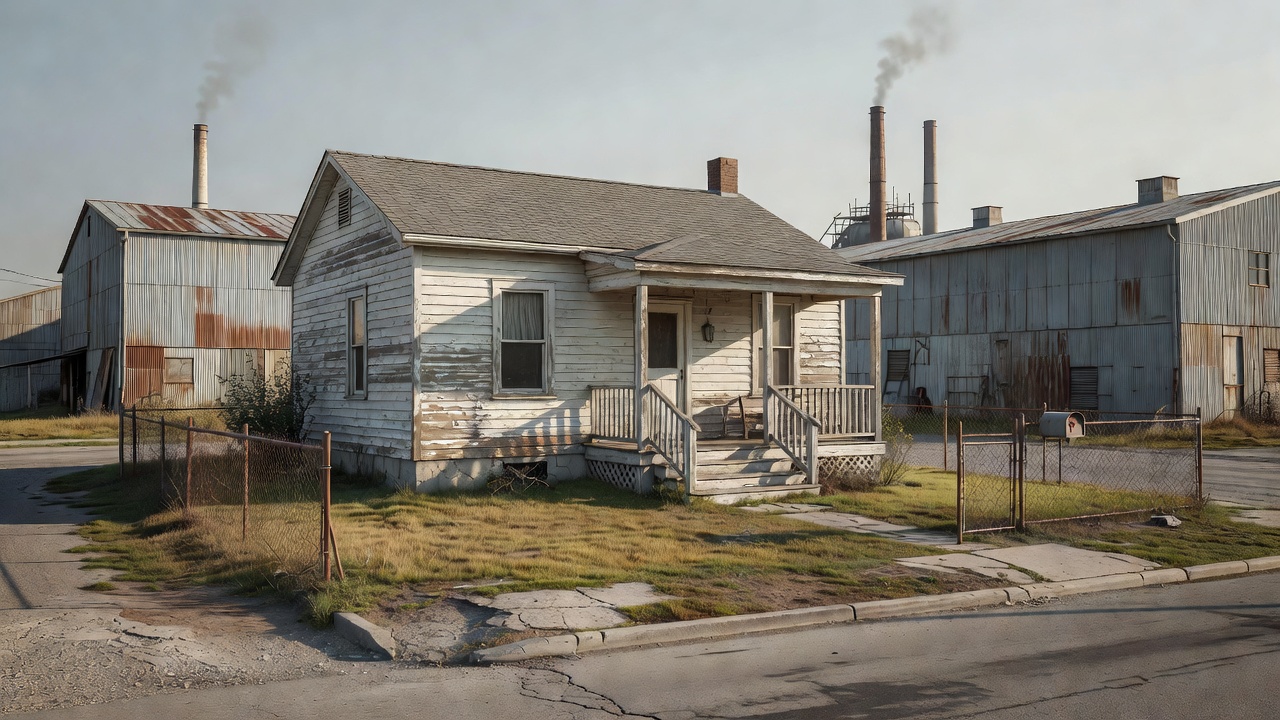
The EPA does not usually retest homes for lead contamination in the nation's largest residential Superfund site. ProPublica conducted its own tests to check on the ongoing dangers facing residents and expose gaps in federal oversight.
In many American neighborhoods built near old industrial sites, lead dust lingers in soil and homes long after factories close. The Environmental Protection Agency has designated one such area as the country’s largest residential lead Superfund site, yet it rarely returns to retest properties after initial cleanup. Families continue living with unknown levels of toxic exposure that can harm children’s development.
ProPublica reporters decided to fill this gap by visiting dozens of homes themselves. They collected soil and dust samples and sent them to independent labs for analysis. The results showed that some properties still had dangerous lead levels years after the EPA declared them safe, revealing weaknesses in the agency’s monitoring approach.
Residents now face difficult choices about their health and property values. The findings have prompted calls for stronger federal rules and more frequent testing to protect vulnerable communities. Without better oversight, the risk of lead poisoning remains a quiet threat in these neighborhoods.
 131.999 SRY