
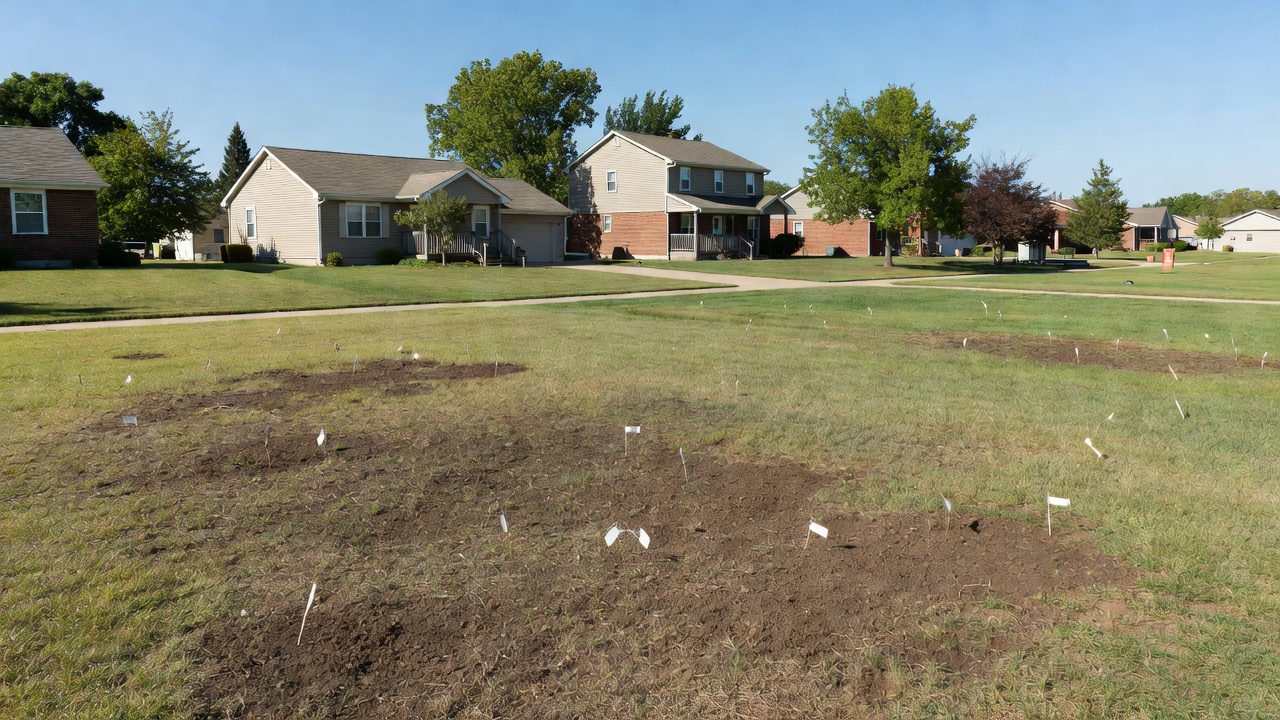
The EPA celebrates its Omaha lead remediation as a success story, but ProPublica investigations reveal numerous residential yards still contain toxic levels of lead, posing ongoing health risks to residents and questioning the cleanup's effectiveness.
The Environmental Protection Agency has long promoted its efforts to clean up lead-contaminated soil in Omaha, Nebraska, as a major environmental victory. Officials point to reduced blood lead levels in children and the removal of millions of cubic yards of polluted dirt from affected neighborhoods. This narrative suggests that decades of work have largely resolved a legacy of industrial pollution from former smelters.
However, independent testing conducted by journalists found that many yards still exceed safe lead thresholds. Samples from properties supposedly remediated years ago showed concentrations far above federal safety standards. Residents, including families with young children, remain exposed to a neurotoxin linked to developmental delays and other serious health issues.
The discrepancy highlights potential gaps in the EPA's monitoring and verification processes. Community advocates are calling for renewed testing and additional remediation to protect public health. Without further action, the promised success of the cleanup may remain incomplete for many Omaha neighborhoods.
 0.000 SRY