
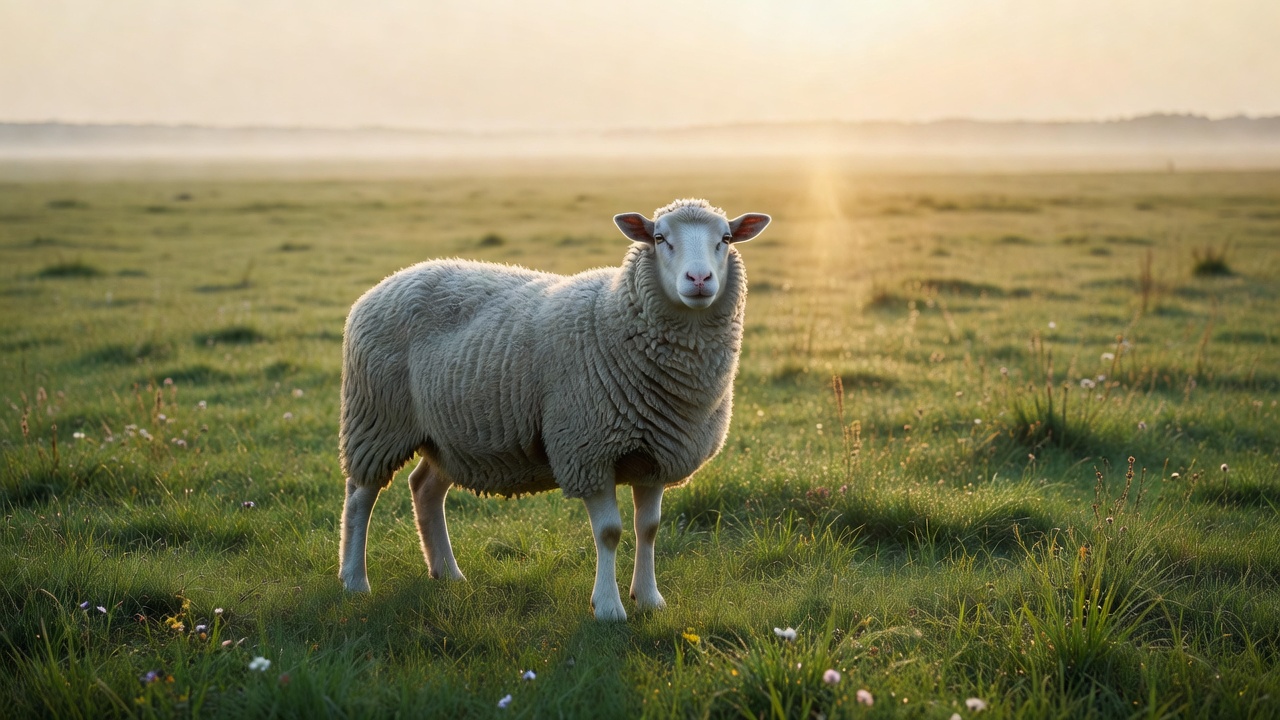
Three decades after Dolly the sheep's birth, cloning has evolved into a valuable biotechnology tool. It now supports disease research, conservation efforts, and innovative ways to improve life for animals and humans alike.
Thirty years after Dolly the sheep made history as the first cloned mammal, cloning technology has grown into a powerful force for good. Far from the sci-fi visions of the past, it now serves as a precise tool that helps scientists unlock better understanding of diseases and develop regenerative medicines. This progress turns specialized cells into versatile stem cells, opening doors to treatments that could transform healthcare.
Today, cloning supports vital conservation work by preserving endangered species and replicating animals with strong, disease-resistant traits. In livestock and equestrian fields, it allows ethical replication of valuable genetics without replacing natural breeding. These applications demonstrate how cloning contributes to healthier ecosystems and sustainable food production worldwide.
Recent breakthroughs, such as cloning a rhesus monkey in China, highlight cloning's potential to advance medical research due to close human similarities. With ongoing refinements making the process more efficient, cloning promises continued positive impacts in science, helping create a future where biotechnology benefits both people and the planet through careful, constructive innovation.

 174.489 SRY