
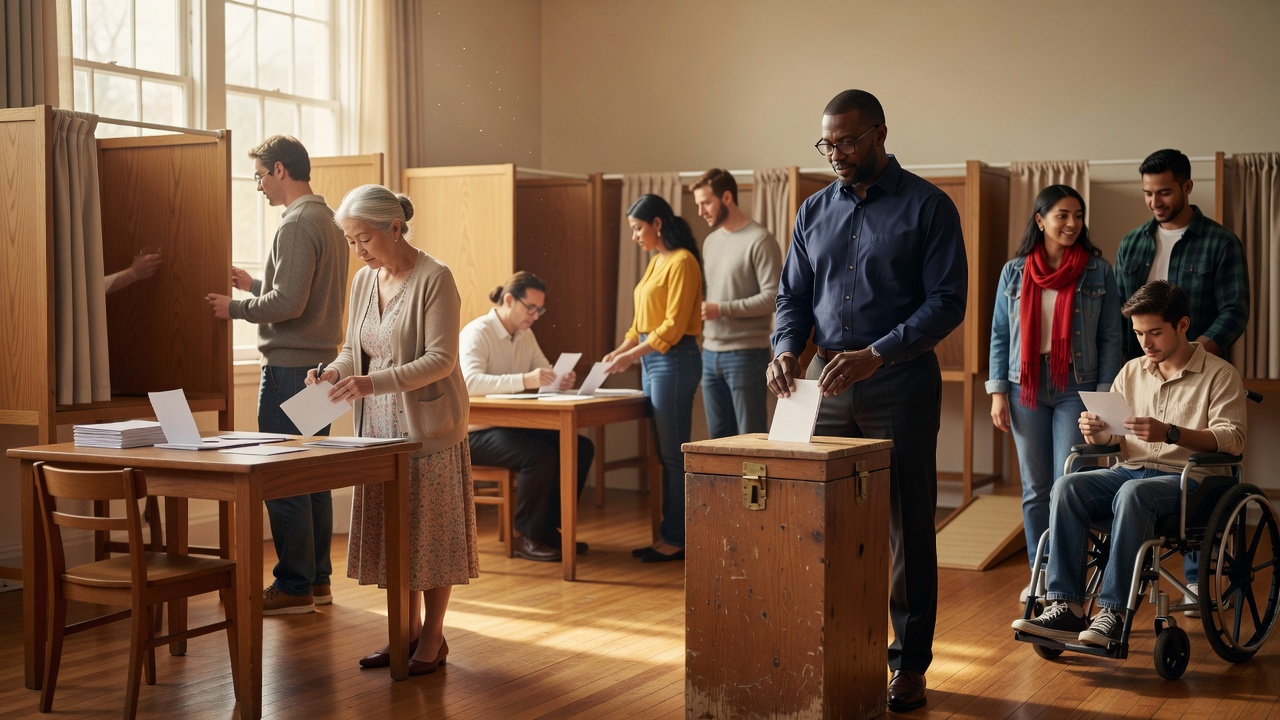
While some leaders pursue extreme measures, most nations embrace elections to foster transparency, gather vital insights, and build lasting legitimacy, underscoring a hopeful commitment to inclusive governance worldwide.
In today’s interconnected world, elections serve as powerful tools that help governments understand their citizens better. They reveal where support is strong and where improvements are needed, allowing leaders to address concerns constructively. This flow of information strengthens societies and encourages responsive policies that benefit everyone.
Most modern leaders recognize these advantages and continue holding competitive votes, even in challenging environments. Such practices promote stability by giving people a voice and reducing unrest through open dialogue. By maintaining this tradition, nations demonstrate resilience and a shared belief in progress over isolation.
Ultimately, the rare decision to end elections highlights how valuable they truly are for unity and trust. Communities thrive when voices are heard, inspiring others to uphold democratic habits that drive positive change. This enduring approach builds brighter futures based on participation and mutual respect.

 83.523 SRY