
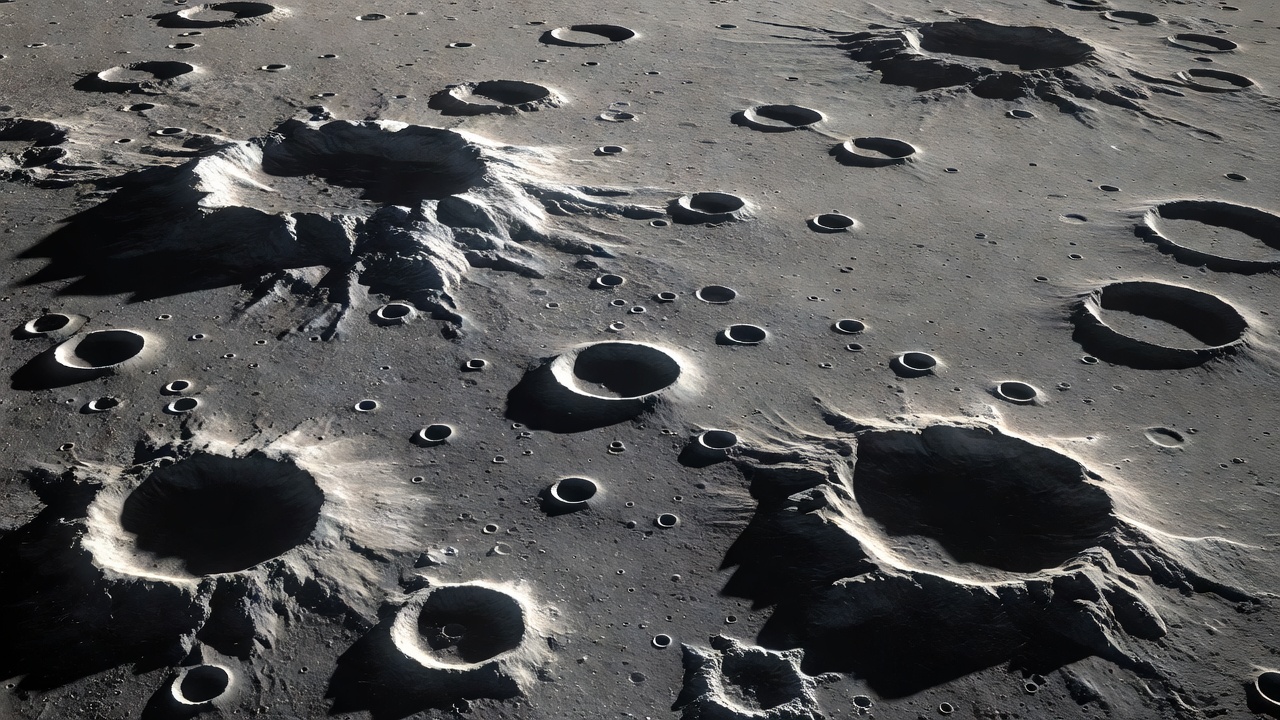
China's Chang'e-7 mission heads to the Moon's south pole to hunt for water ice using innovative technology. This effort advances space exploration and highlights humanity's shared path toward sustainable lunar presence.
China is preparing to launch the Chang'e-7 mission, aiming to explore permanently shadowed craters near the lunar south pole. The spacecraft includes an orbiter, lander, rover, and a unique hopper designed to leap into dark, icy regions where traditional rovers cannot go. Supported by the Queqiao-2 relay satellite, this coordinated effort seeks to locate and assess water ice that could one day support future explorers.
The mission addresses long-standing questions about the Moon's resources. By testing new mobility tools in extreme cold and rough terrain, Chinese scientists are shifting focus from basic exploration to practical resource use. This positive step builds on two decades of steady progress and opens doors for international collaboration in space.
While NASA pursues commercial partnerships for lunar deliveries, China's integrated approach demonstrates how nations can tackle shared challenges creatively. Such missions inspire global optimism about accessing space resources, fostering scientific discovery, and building a future where the Moon helps sustain human journeys beyond Earth.

 266.126 SRY