
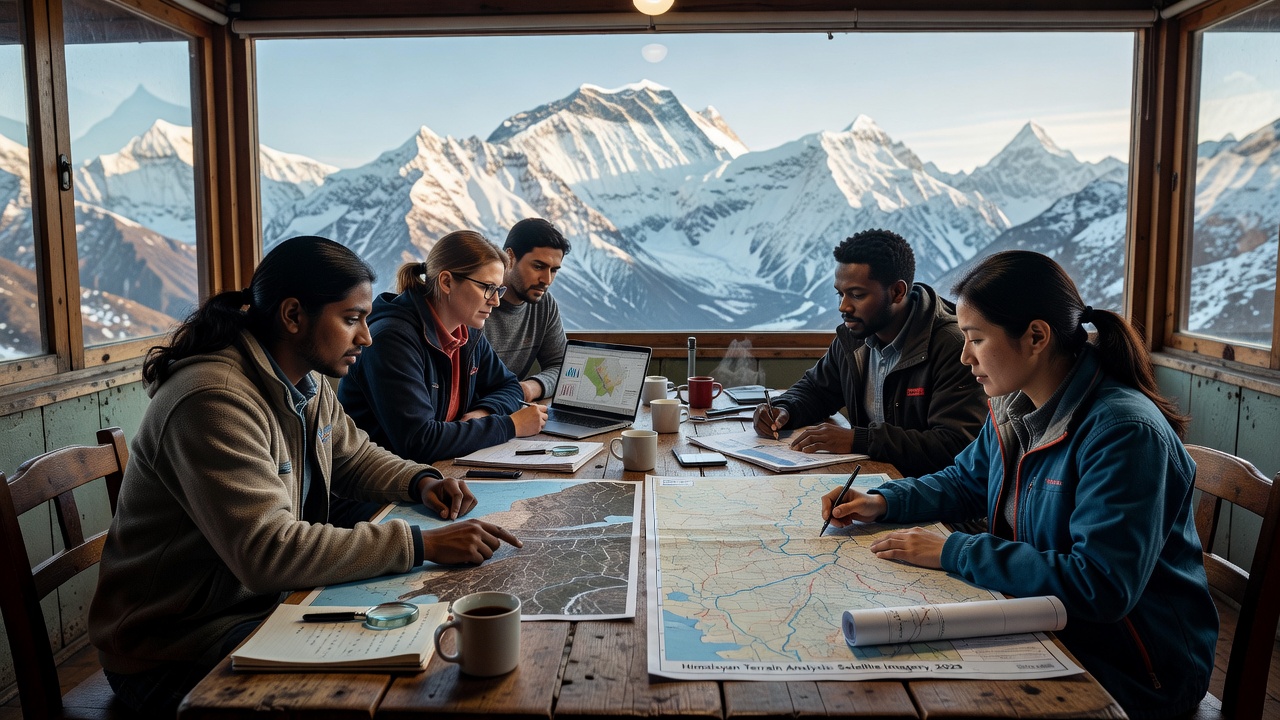
International scientists are collaborating to analyze recent glacier collapses in Nepal, transforming tragic events into lessons that enhance disaster preparedness and build safer futures for mountain communities worldwide.
In the aftermath of powerful floods from collapsing glaciers in Nepal, experts such as geomorphologist Stuart Dunning are leading global efforts to understand these hazard cascades. Drawing from past events like the 2021 Chamoli disaster, researchers examine rock-ice avalanches and debris flows. This pooled knowledge supports the development of better early warning systems and community training programs that save lives and promote long-term stability in high-risk areas.
Satellite images combined with seismic and ground data offer rapid insights into event origins and paths. Daily updates help identify new risks like blocked waterways, while detailed measurements of flow speed and composition guide protective measures. These tools strengthen international networks that empower local leaders to adapt effectively to environmental shifts.
Although climate change contributes to glacier thinning and unstable slopes, it also sparks innovation in risk reduction strategies. With growing populations in these regions, emphasis on education, resilient infrastructure, and shared expertise brings hope. Learning from each incident builds stronger societies equipped to thrive amid natural challenges.

 87.376 SRY