
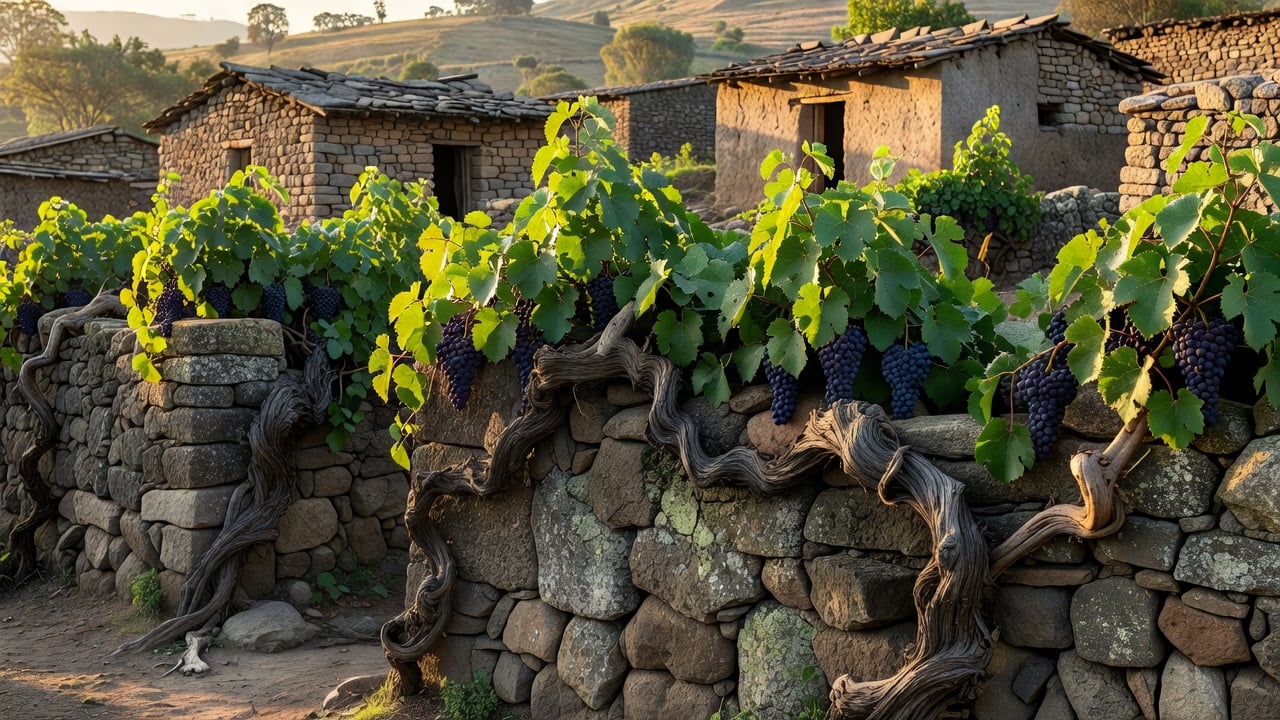
New research reveals that ancient grapevines in Ethiopia's Tigray region have survived for centuries. These vines hold unique genetic heritage and offer promising traits for climate-resilient farming while preserving local culture and traditions.
In the highlands of northern Ethiopia, researchers have uncovered grapevines with deep roots in history. Linked to the ancient Aksumite kingdom through trade networks, these vines were grown in family compounds and church grounds rather than large vineyards. Farmers have passed cuttings between generations, creating a living link to the past that continues to provide fresh fruit, shade, and community bonds.
One standout variety, now called Rubaksum Tsellim, stands out for its distinct genetics and ties to Mediterranean origins. Found in remote villages like Rubaksa, these plants thrive on stony plots with minimal care. Their survival through isolation and changing times highlights the wisdom of smallholder farmers who have nurtured them for food security and cultural practices.
These vines also hold exciting potential for the future. Their ability to grow in dry conditions suggests valuable traits for climate adaptation in viticulture. Conservation efforts could share this heritage globally, celebrating Tigray's enduring agricultural legacy and inspiring sustainable solutions worldwide.

 208.355 SRY