
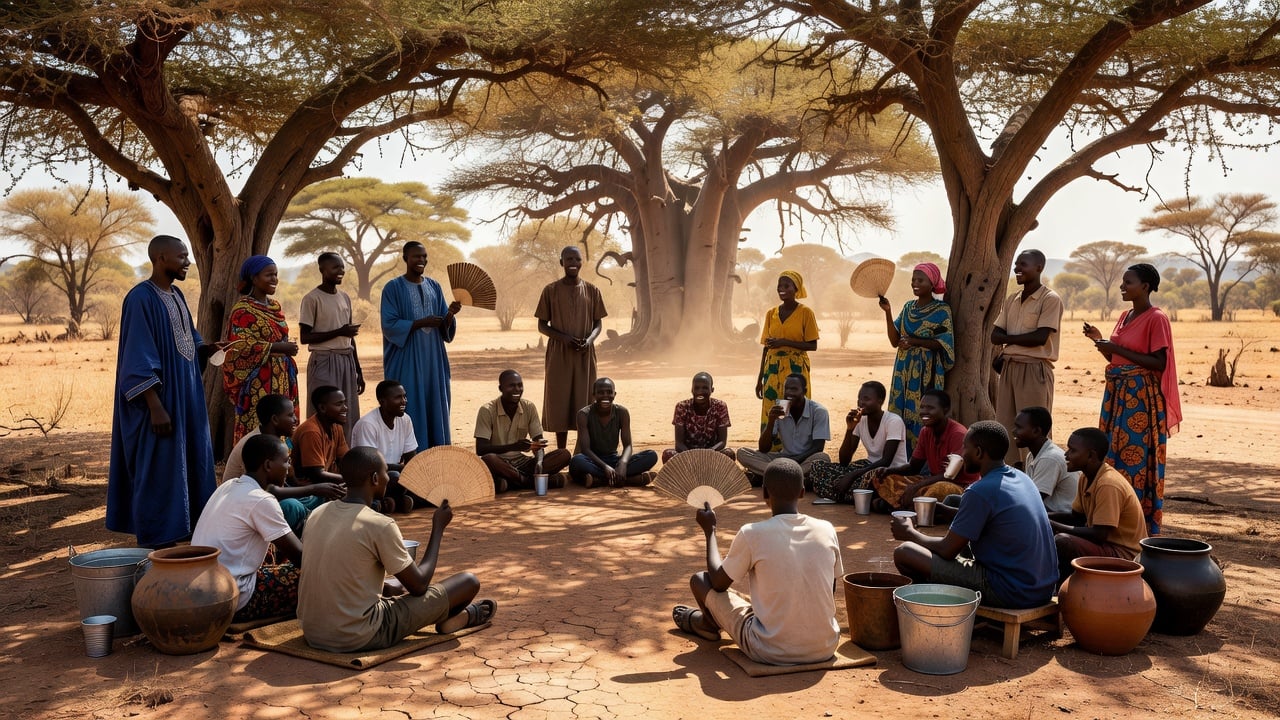
New research highlights Nigeria's high projected heat deaths from super El Niño, but stresses urgent government steps like improving electricity access and support for the poor to save thousands of lives across Africa’s Sahel region.
The University of Chicago’s Climate Impact Lab projects up to 451,000 extra heat deaths worldwide by February 2027 due to super El Niño, with Nigeria facing the highest toll at 31,400 among Sahel nations including Sudan, Niger, and Chad. These areas suffer from poverty, unreliable power, and farming dependence, leaving residents vulnerable to extreme temperatures.
Governments can act now by expanding electricity access beyond current low rates like 21% in Niger and 13% in Chad, providing fans and cooling centers, and offering financial aid to poor households. Such measures would reduce deaths significantly in regions where most lack resources to cope.
Focusing on the Sahel's unique climate challenges, proactive policies on infrastructure and poverty alleviation offer a path to resilience. International support and local initiatives can turn projections into opportunities for life-saving change, ensuring communities thrive despite the heat.

 578.493 SRY