
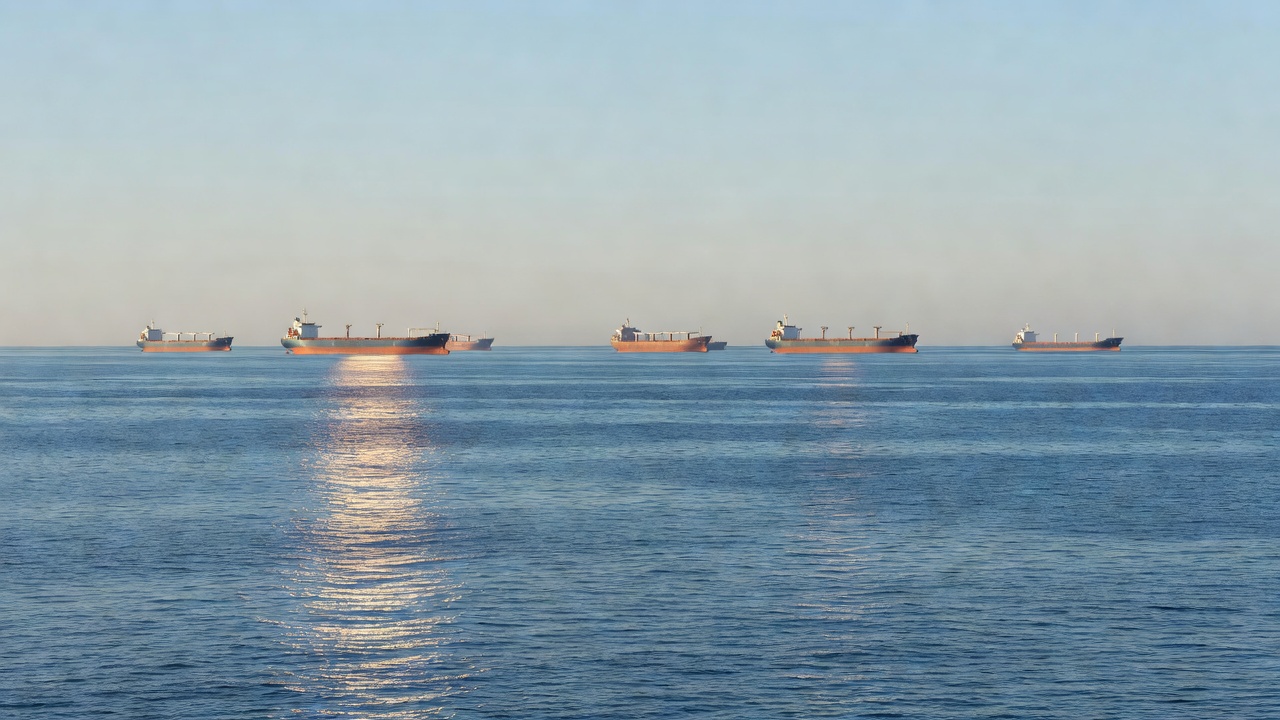
Research highlights biosecurity risks from ships idle near the Strait of Hormuz. Yet this challenge sparks fresh international cooperation, advanced hull cleaning methods, and stronger rules to protect oceans and economies everywhere.
Scientists warn that vessels stuck in the Persian Gulf since February carry heavy marine growth on their hulls. As routes reopen, these ships could spread non-native species to distant ports. The good news is that the findings are driving action. Ports and nations are now testing faster cleaning systems and shared monitoring programs to stop problems before they start.
Past shipping disruptions, from economic slowdowns to seasonal fishing closures, have taught valuable lessons. Experts point out that simple steps like regular hull inspections and eco-friendly coatings can cut risks dramatically. Australia and New Zealand already use strict checks that other countries can copy, turning a potential crisis into a model for safer global trade.
The focus now shifts to teamwork. Shipping companies, researchers, and governments are working together on quick-response plans and new technology for cleaning at sea. These efforts promise healthier oceans, stronger fisheries, and smoother commerce for everyone involved.

 594.915 SRY