
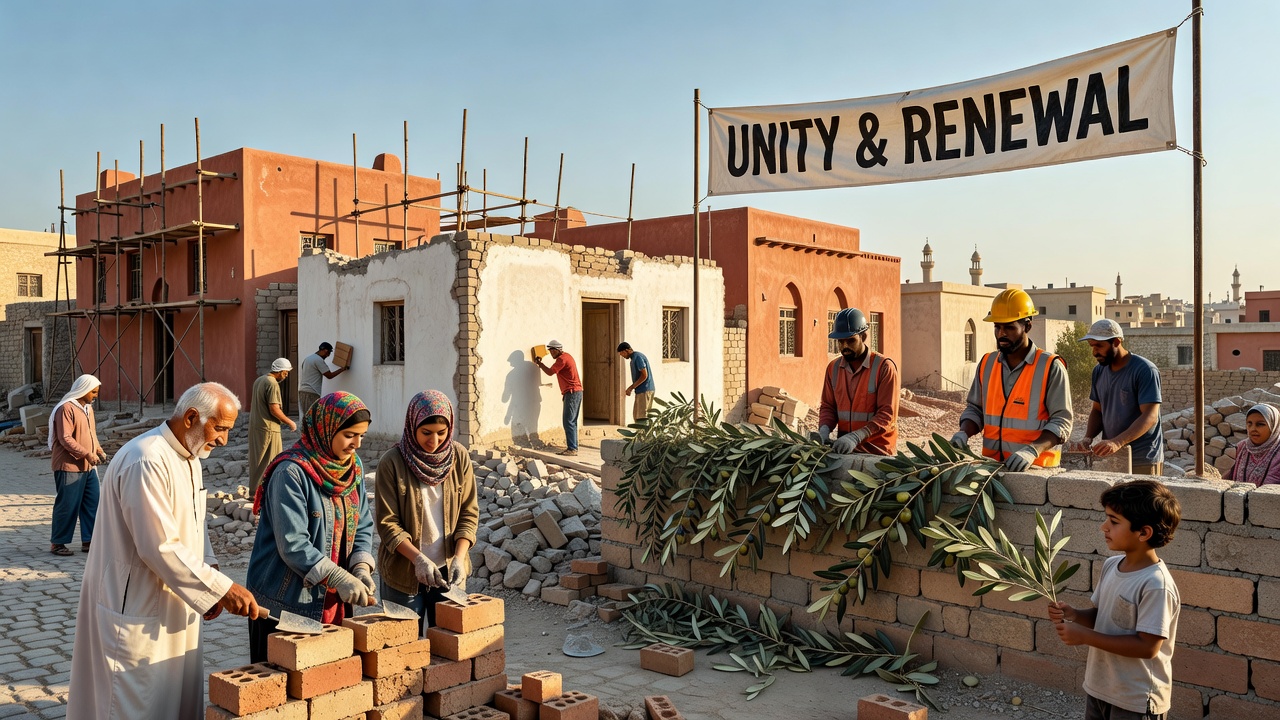
A potential disarmament agreement in Gaza offers hope for ending conflict. Yet, experts stress that true reconciliation requires addressing war crimes allegations and building justice for all affected communities on both sides.
The reported roadmap for Hamas disarmament, backed by international monitors, signals a possible shift toward stability in Gaza. With Israeli withdrawal and a transitional administration, communities devastated by years of violence could begin rebuilding. This process highlights the need for inclusive governance that acknowledges trauma from October 7 attacks and civilian suffering in Gaza.
History from regions like Northern Ireland shows accountability fosters healing. Allegations of war crimes must be handled transparently through mechanisms like the ICC to prevent unresolved grievances from derailing peace. Surprisingly, the plan's focus on amnesty raises questions, but prioritizing justice for all sides could strengthen long-term reconciliation.
Despite challenges, including political hurdles and ICC controversies, the emphasis on stabilization forces offers a constructive path forward. By centering human rights and mutual recognition of suffering, Gaza's future can move toward meaningful recovery and coexistence, inspiring global efforts for conflict resolution.
 80.434 SRY